
⭐ Overall Rating
🌟 4.6 / 5 stars
Recommended for readers who:
-
Are interested in philosophy and personal growth
-
Seek emotional maturity alongside intellectual development
-
Enjoy reflective and thought-provoking writing
May not suit readers who:
-
Prefer highly structured academic texts
-
Look for practical self-help techniques or quick solutions
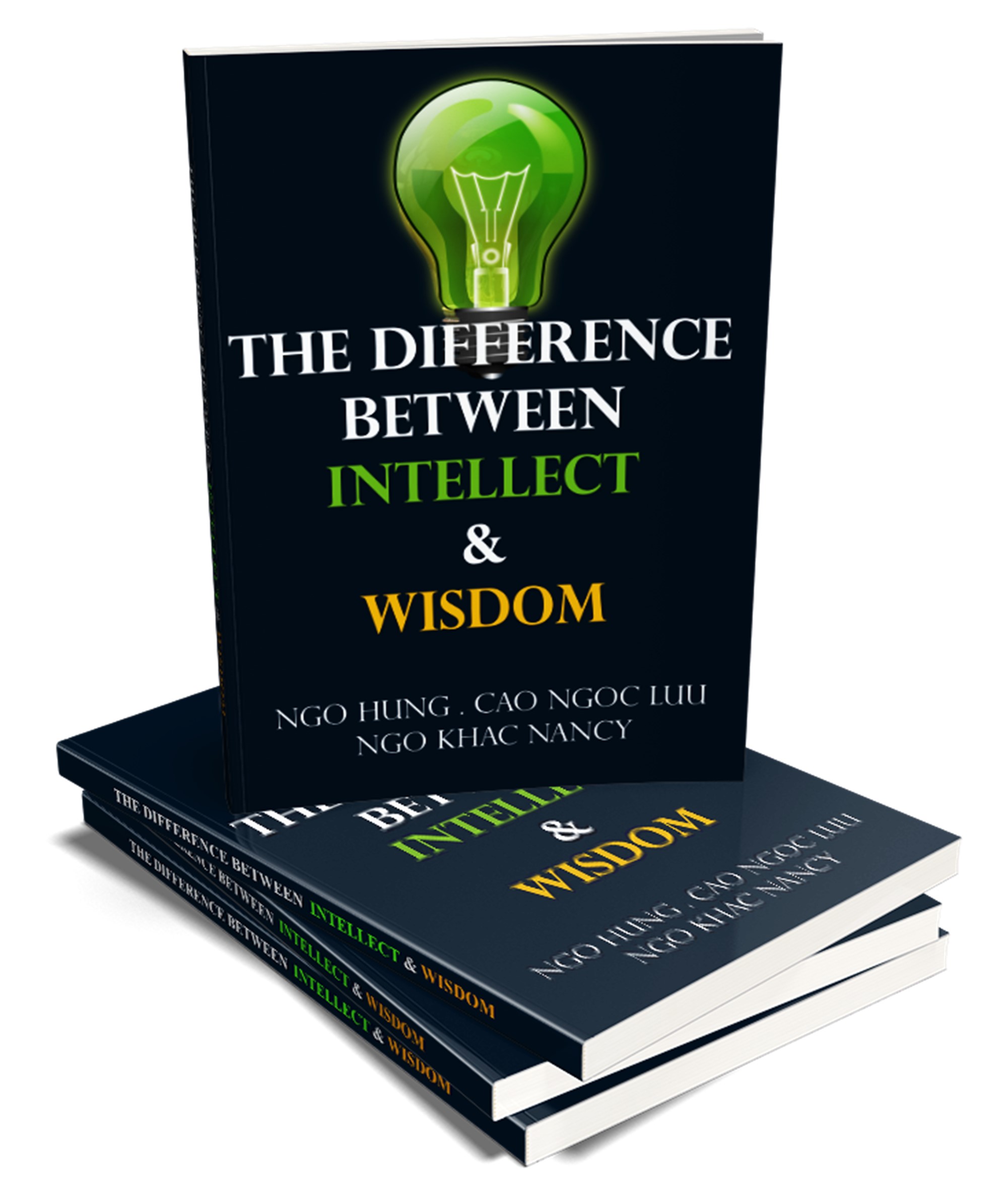
A Multi-Perspective Evaluation of the Book
The Difference Between Intellect and Wisdom by Ngo Hung
- Central Ideas and Themes ⭐⭐⭐⭐½ 4.5/5
The Difference Between Intellect and Wisdom examines the fundamental distinction between intellectual ability and true wisdom.
While intellect is associated with knowledge, logic, and analytical thinking, the book argues that wisdom involves emotional understanding, humility, compassion, and ethical judgment.
The author emphasizes that a person may be intellectually skilled yet lack wisdom in relationships and life decisions.
- Philosophical Depth ⭐⭐⭐⭐½ 4.5/5
The book adopts a reflective and philosophical approach rather than a strictly academic one.
Instead of offering rigid definitions, it encourages readers to question how intellect and wisdom manifest in daily behavior, decision-making, and interpersonal relationships.
This open-ended exploration allows readers to engage in deep self-reflection.
- Psychological and Emotional Insight ⭐⭐⭐⭐⭐ 5/5
One of the book’s strongest aspects is its psychological sensitivity.
It highlights how overreliance on intellect can lead to arrogance, emotional detachment, or judgment, whereas wisdom is rooted in empathy, self-awareness, and emotional maturity.
This perspective resonates strongly with readers seeking personal growth beyond intellectual success.
- Practical Value ⭐⭐⭐⭐ 4/5
Although the book does not provide step-by-step guidance, it offers practical relevance by reshaping how readers evaluate intelligence, success, and personal development.
It encourages readers to:
- Listen before reacting
- Value understanding over being right
- Apply knowledge with compassion
Its practicality lies in mindset transformation rather than immediate application.
- Writing Style and Tone ⭐⭐⭐⭐½ 4.5/5
The writing style is calm, thoughtful, and accessible.
The author avoids complex terminology, making philosophical ideas easy to understand without oversimplifying them.
The tone is non-judgmental and reflective, inviting readers into quiet contemplation rather than debate.
- Structure and Reading Experience ⭐⭐⭐⭐ 4/5
The book follows a contemplative structure rather than a linear argument.
While this enhances reflection, some readers may find certain ideas repetitive or slow-paced.
It is best read slowly, allowing time for reflection between sections.
⭐ Overall Rating
🌟 4.6 / 5 stars
Recommended for readers who:
- Are interested in philosophy and personal growth
- Seek emotional maturity alongside intellectual development
- Enjoy reflective and thought-provoking writing
May not suit readers who:
- Prefer highly structured academic texts
- Look for practical self-help techniques or quick solutions